

Thus, even fewer premature CVD deaths can be prevented by focusing on lifestyle changes and physical activity. Regular participation in physical activity is one of the major lifestyle adjustments that can significantly lower premature CVD deaths.
A balanced strategy that encompasses encouraging physical activity and substituting healthy foods for foods perishable in nutrients is paramount to heart health and CVD prevention. Cardiologists have stated that a personalized heart healthy workout (sitting prolonged in one position, for example) is an effective method to fend off CVD onset and prevent progression of CVD in people already diagnosed. Exercise may even prevent hypertension and regulate blood sugar while strengthening cardiac muscle. Always check with your physician before beginning any exercise or physical activity, and follow guidance when you have co-morbidities.
Major risk factors for heart disease that can be addressed through exercise.
Health conditions such as diabetes (of all types), insulin resistance, hypertension, and high cholesterol are common and significant modifiable risk factors for heart disease, and untreated will only get worse. Regular exercise in the form of aerobic exercise for the heart reduces each of these commonly untreated health conditions (through weight control, improving insulin sensitivity, reducing blood pressure and improving lipid levels to avoid blockages in arteries). In patients with heart failure, follow a physician's recommendation for muscle strengthening to build the resiliency of the heart muscle and avoid the exacerbation of heart failure.
Top Contributors to Risk and Benefits of Exercise
- Hypertension (High Blood Pressure): If you are sedentary, you'll raise the risk! Regular and sustained moderate-intensity cardiovascular exercise (brisk walking, etc.) can lower your systolic blood pressure by 5-8 mmHg, which prevents or manages hypertension Long-Term.
- Diabetes & Insulin Resistance: Increased fat mass has a negative effect on glucose management. Consistent moderate-intensity physical activity can lower your insulin resistance by up to 30% which can help manage the vascular effects of diabetes.
- High Cholesterol: A diet high in saturated fat can lead to dyslipidemia. Exercise can raise your HDL (good cholesterol) and lower between 3-15 mg/dL of your LDL, leading to less plaque in arteries.
- Obesity: This is a major driver of all of the above; weight-bearing exercise is effective for losing fat. Research shows a reduction of 5-10% of body weight can decrease your overall CVD risk by 20-30%.
These benefits for cardiovascular disease risk reduction are powerful and evidence-based.
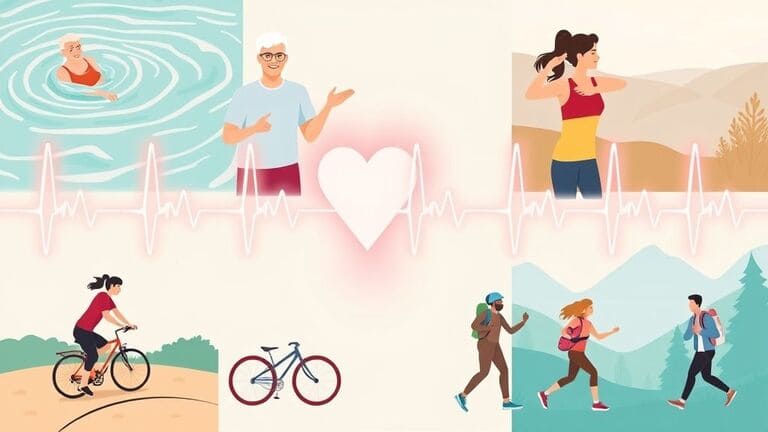
Who Should Prioritize Regular Exercise for Cardiovascular Health?
All individuals can benefit from optimal exercise for the heart, but it is especially important for those at higher risk. Healthy individuals can participate in activities that they enjoy, such as walking or swimming. Those with cardiovascular disease (CVD) - e.g., coronary artery disease (heart attacks, arrhythmias, etc.), peripheral artery disease, valvular disease, or congenital heart disease should be managed by a physician and develop an individual exercise prescription for themselves. Those individuals who have a genetic predisposition, along with smoking, diet, or inactivity, will increase the risk of coronary disease. For those who are overweight, following a prescribed diet with exercise will optimize the participant's ideal body mass and minimize disease progression. Even in advanced age, and/or chronic condition, staying active within clinical limits will maintain a higher level of function.
What are the Best Exercises for a Healthy Heart in 2025?
For those without contraindications, increase to a minimum of 150 minutes of moderate-intensity aerobic exercise per week, or 75 min vigorous, with two additional sessions of muscle strengthening activities. Aerobic exercise is best for cardiovascular health because it increases endurance and strengthens cardiac muscle, which enhances the cardiovascular system against disease. Also, add flexibility work, such as yoga, for additional health benefits. Additionally, exercise should be fun, and can be performed depending on the age and health of the participants. Concentrate on consistently brisk and enjoyable physical activity for most days of the week, preferably 3–4 days for 30–40 minutes, gradually progressing over time. Heart patients always should be under the care and supervision of their physician for a prescription.
Ideal Exercises for Cardiovascular Health
- Brisk walking: This option is a form of moderate aerobic exercise that practically everyone can access or do. You can lower your blood pressure and improve circulation every day by brisk walking for 30 minutes without stressing your joints.
- Swimming or water aerobics: Cardio that reduces adrenaline and decreases tension among blood vessels, and is most useful for people who have hypertension.
- Cycling (stationary or outdoor): Will improve overall endurance for various activities and lipid profiles. You can cycle at a moderate rate, aiming for about 50-70% of your max heart rate.
- Yoga and stretching: Improves your elasticity and reduces stress. Certain poses such as child's pose or resting in other positions will help blood circulation, while also providing resilience between your heart and your mind.
- Strength training: Use resistance bands or weights two times a week to avoid muscle loss and combat insulin resistance of people with CVD (coronary vascular disease) at most of the physical levels.
- Dancing or hiking: Get away from the sidewalk and explore vigorous activities that you enjoy that can serve and exercise purpose that elevates your heart rate and supports calorie burn to reduce obesity.
Safe Exercise Recommendations and Monitoring for Optimal Heart Health
It is important to start slow, especially if you are not primarily an active individual, to prevent strain on your heart--better to start with a conversation pace (able to talk without gasping) at 50% maximum heart rate if new, progressing to 70-80% maximum heart rate for those that exercise regularly. If applicable, take your medications as prescribed, warm up appropriately, and be aware of your body as you might experience dizziness when pushing toward maximal effort. During warm/hot weather, go indoors for exercise to keep safer. If you experience an acute or chronic issue, please consult your professional providers regarding exercise clearances.
Exercise Amplified by Eating a Heart-Healthy Diet for Prevention Over Time
Exercise works especially well when it is paired with nutrition. If you have CVD, hypertension, or diabetes, follow your physician's and dietitian's recommendations related to balanced macronutrient intake, which includes, for lean proteins, whole grains, vegetables/fruits, and low-fat dairy options. It is also important to cut down on your sodium/sugar intake (2,300mg sodium daily), whole, unrefined carbohydrate options are usually best, and fat/cholesterol levels should be moderated, limit if not needed, as nutrition is individual. Prefer steaming or baking methods to frying. Drink plenty of fluids, at least 2 Liters of water daily. Consider healthy snacks such as nuts or yogurt when ready. Implement a weight loss protocol post-evaluation (especially if obese), to engage in safe and healthy heart-related workouts and improve your overall metabolic health.
These recommendations should help you successfully implement real-world cardiovascular preventative strategies that are workable, and please consult with a professional that works with you - to make sure you tailor these modifications for you!