📋 How to Do?
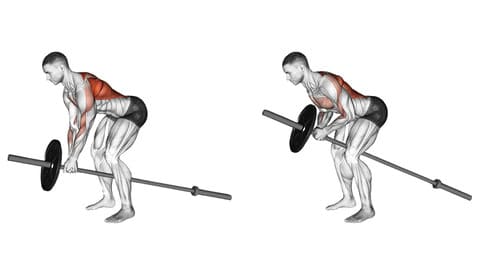
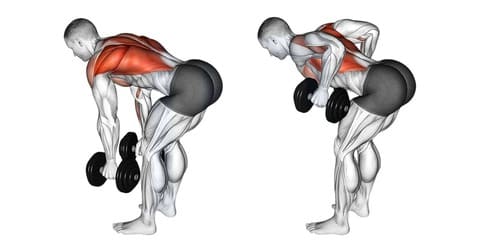
- Stand with feet hip-width apart, hinge at hips with knees slightly bent, back flat like a table.
- Hold barbell or dumbbells with overhand grip, shoulders relaxed.
- Inhale and pull weights toward your lower ribs, squeezing shoulder blades together at the top.
- Exhale and lower slowly with control, maintaining neutral spine.
- Perform 3-4 sets of 8-12 reps, focusing on scapular retraction.
Brace your core to sustain neutral spine in bent-over rows, practicing the hip hinge with lighter loads first for mastery. Limit pulls to lower rib height to shield shoulders and optimize back engagement. Warm up with bird-dog poses for posterior chain prep.
💪 Working Muscles
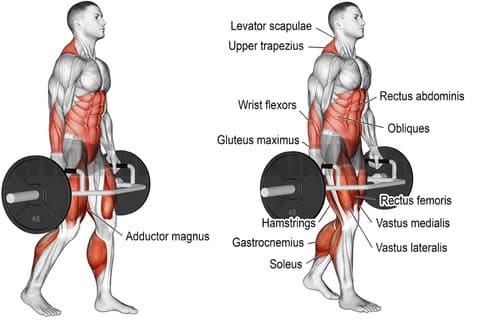
Primary: Latissimus Dorsi (shoulder extension and adduction for the pulling motion); Rhomboids (scapular retraction to squeeze shoulder blades); Secondary: Trapezius (upper and mid fibers for scapular elevation and retraction); Biceps Brachii (elbow flexion during pull); Posterior Deltoids (shoulder extension assistance)
Equipment Needed: Barbell or dumbbells, weight plates
Difficulty: Intermediate
✨ Benefits
Bent-over rows sculpt back thickness and width for that coveted V-taper, while correcting rounded shoulders to alleviate spinal load from sedentary lifestyles. They amplify grip strength and translate to sports like rowing or climbing. Regular inclusion boosts metabolic rate and overall resilience in back workouts.
🔥 Burned Calories
Burns Approx. 70-90 kcal per 10 min at moderate intensity
Metabolic Impact: Moderate to high, great for compound pulling strength
Common Mistakes
- Rounding the back during the hinge, increasing spinal stress and injury risk.
- Pulling with arms only instead of leading with elbows, under-activating the back.
- Using momentum from hips to jerk the weight, leading to poor form and strains.